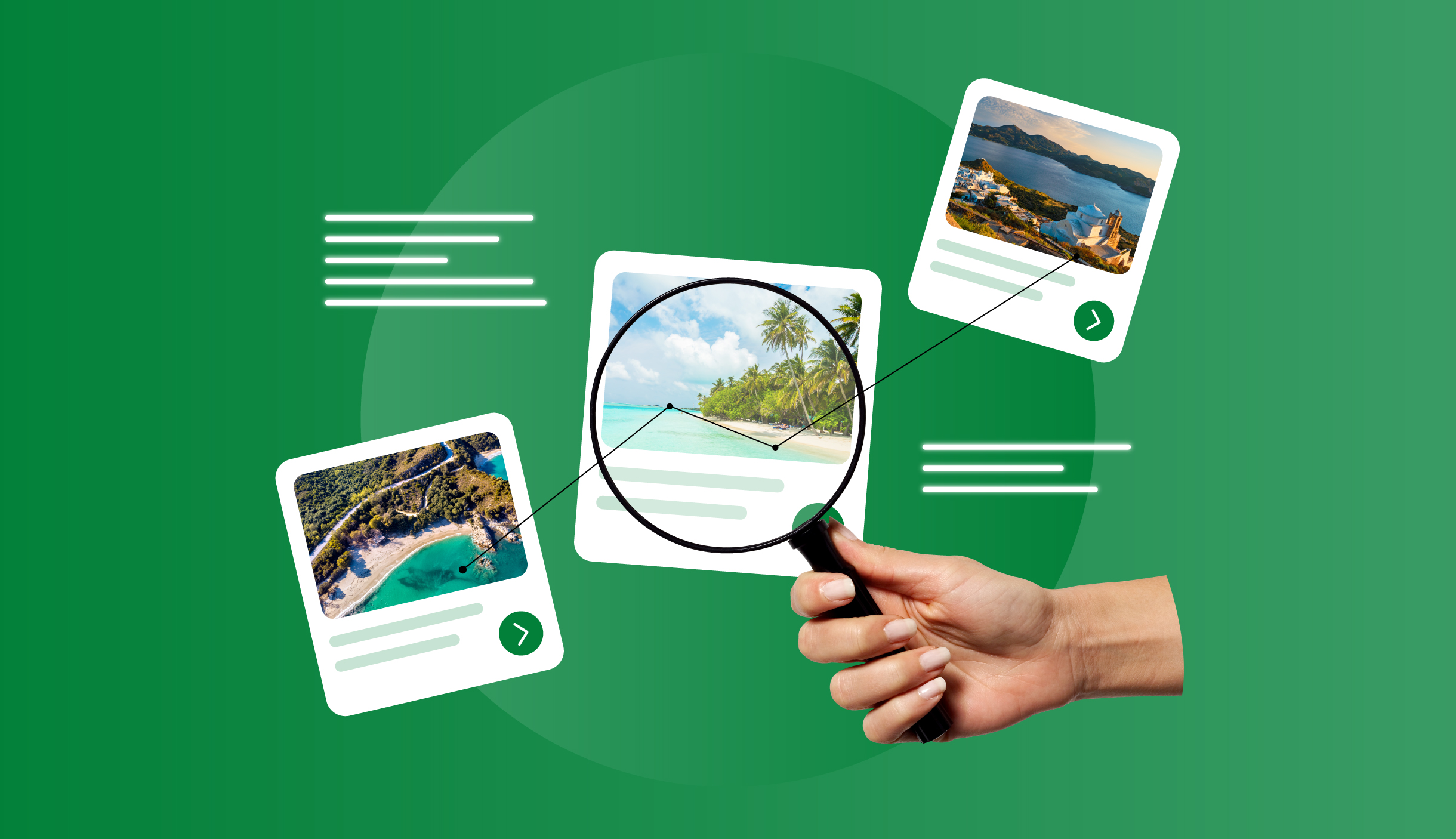
Tour operators are starting to sell holidays through ChatGPT. How can customers move smoothly from AI conversations to bookings?
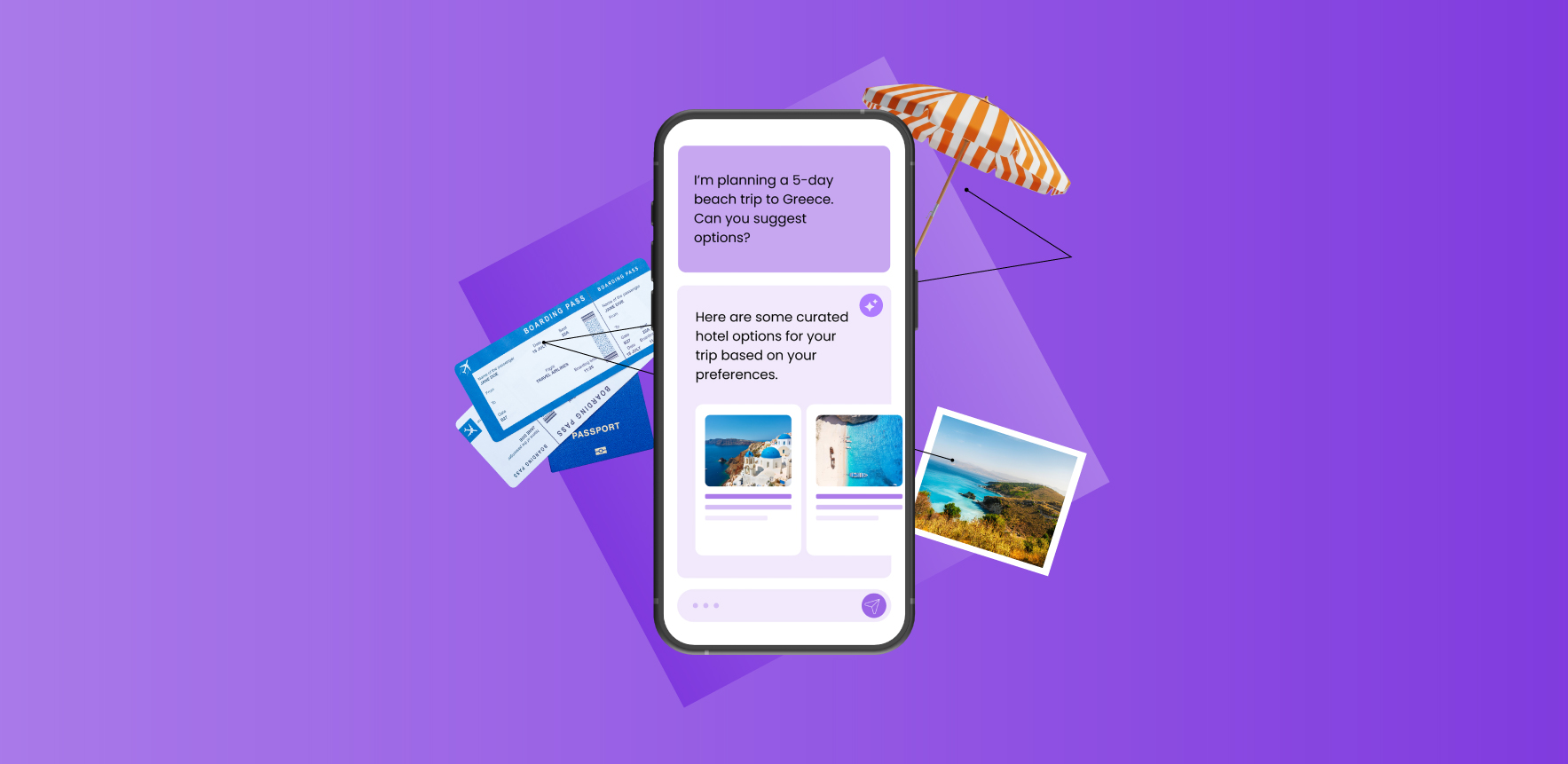

Customers can now start searching for holidays using ChatGPT, Gemini and other AI tools before visiting a travel agency's website. They use these tools to compare destinations, find hotels that match their needs and choose offers that interest them.
For the travel industry, this creates new ways to reach customers. However, interest in an offer does not automatically lead to a booking. Customers still need access to the latest prices, availability and booking options. They often have additional questions they want answered before making a purchase.
This is also changing the approach to omnichannel (providing customers with a consistent experience across all communication and sales channels). Travel agencies now need to include AI tools in this process and make sure customers can move smoothly from finding an offer to completing a booking, with the support they need along the way.
So how should the travel industry prepare for these changes and use AI effectively in sales?
How are travel companies already using AI in sales?
One example is TUI. The company announced that it had launched its own app in ChatGPT. Users can describe the type of holiday they are looking for and receive hotel and activity recommendations with booking links. These offers do not come from the AI model's general knowledge. Instead, they are retrieved directly from TUI's system, keeping prices and travel dates up to date. This is made possible by MCP, a standard that allows AI tools to connect with company systems.
TUI is also working with Mindtrip, a platform where customers can plan their trips through conversations with AI. Previously, customers had to book flights, hotels and other services separately with different providers. Now, they can use the "Book with TUI" button to book a complete holiday package in one place.
In both cases, the AI conversation goes beyond suggesting a destination. Customers receive a specific offer with a price and travel dates, and can then proceed to booking.
For travel agencies, this shows that simply appearing in AI recommendations is not enough to generate sales. AI tools need access to the agency's latest offers, and customers should be able to move from a conversation to a booking without searching again. A single connection can support different AI tools, so travel agencies do not have to predict which platforms their customers will use most often.
What happens when a customer moves from AI to booking?
Imagine a customer asking ChatGPT to find a week's holiday in Greece for a family with two children, with a maximum budget of €3,000. AI helps them choose a hotel, so they visit the travel agency's website to make a booking.
Before paying, they still have a few questions: Does the hotel have a children's pool? What are the cancellation conditions? What is the difference between the available family rooms?
In ChatGPT, they could simply ask these questions. On the travel agency's website, however, they have to search for answers in the hotel description, booking conditions and other pages. If they cannot find the information, they may send an email or make a phone call. And if it is Saturday evening and the agency is closed, they may postpone their decision and never return.
For a travel agency, this is a critical moment. The customer already knows which holiday they want, but they may still abandon the booking because they cannot get an answer to a simple question.
That is why customers arriving from ChatGPT or Gemini should be able to ask questions and receive immediate answers on the travel agency's website, without interrupting the booking process.
How is AI changing customer service in omnichannel?
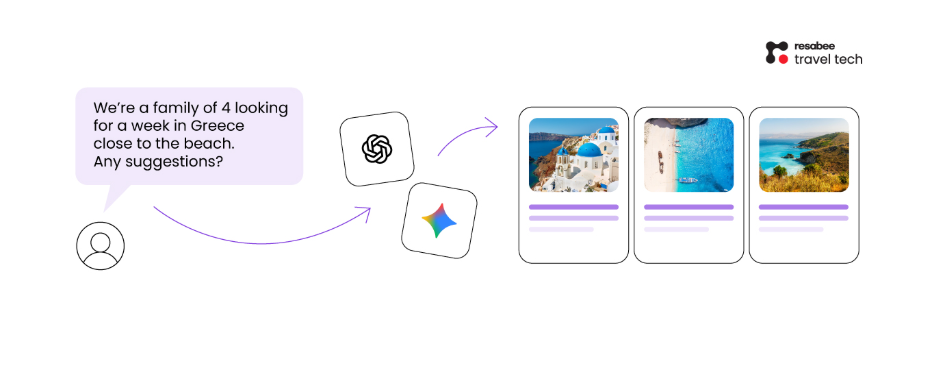
Until recently, omnichannel in travel mainly focused on connecting websites, mobile apps, call centres and messaging platforms. Now, travel companies also need to consider customers who begin searching for holidays using external AI tools.
People using ChatGPT or Gemini can ask follow-up questions, compare options and explain their preferences in more detail during a single conversation.
Travel agencies can offer a similar experience on their own websites. Customers who have found an interesting hotel do not need to search through multiple pages to learn more about the offer.
This is where Zoya AI Travel Assistant can help. Zoya helps customers find holidays based on a tour operator's real offers and answers questions that come up before booking.
It can explain travel details, help compare available options and guide customers towards making a booking. It also works outside office hours, so conversations about holidays can lead to sales even in the evenings or at weekends.
For tour operators, this means they can support customers arriving from different channels without making the entire sales process dependent on staff availability.
What should travel agencies prepare for?
To attract and convert customers who use AI tools, travel agencies should review three key areas:
1. Visibility of offers in AI
Is the information about available holidays up to date, clear and well organised? Can AI tools find specific offers and present their conditions accurately?
2. Moving from AI to booking
Can customers who find a hotel through AI go directly to that offer, check the latest price and availability, and start booking without searching again?
3. Customer support before booking
Can customers get answers to their questions without contacting a travel consultant? What happens when they browse holiday offers in the evening or at weekends?
The future of omnichannel in travel
It is still unclear which AI platforms will play the biggest role in holiday bookings. Customers may use ChatGPT, Gemini, search engines or other AI travel planning tools.
Travel agencies do not need to be present on every platform. However, they should make sure their offers are accessible and easy to understand, and that customers can move towards booking without having to start the entire process again.
Customer support on the agency's own website remains just as important, especially when customers have questions or need help before booking.
The success of AI in travel sales will not depend simply on whether a brand appears in AI recommendations, but on how many customers actually complete a booking after finding an offer.