The EU is changing how travel offers appear in search. What does it mean for travel businesses?

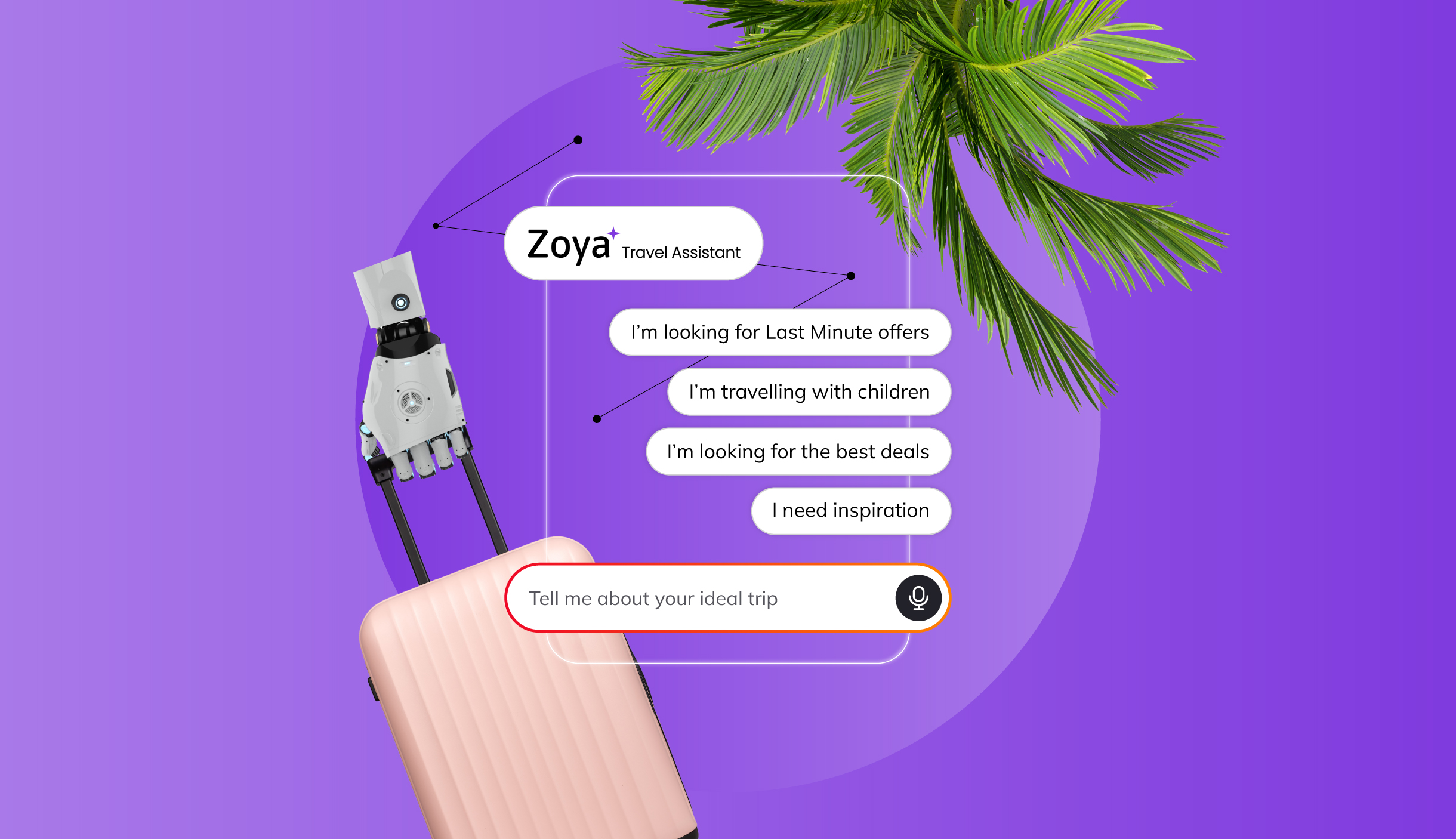
More travellers use AI tools such as ChatGPT and Gemini to plan their holidays. They ask for ideas, compare options and may also ask AI to help them choose a specific offer.
In September 2026, Google changed how certain travel offers appear in search results across Europe. The changes followed action by the European Commission under the EU Digital Markets Act (DMA), which aims to make competition between large digital platforms and other businesses fairer.
For travel businesses, this is an important development. The way customers see and compare offers in Google has changed, and some of the information previously available directly in search results is no longer displayed in the same way.
So, what exactly has changed, and what should tour operators and travel agencies do now?
What has changed in Google Search?
In September 2026, Google changed how travel offers appear in its search results in the EU. This happened a few days after the European Commission published new guidelines for companies that lead their markets.
Google made these changes to follow the Digital Markets Act, an EU law which says that very large online companies must treat other businesses fairly. In July 2026, the European Commission fined Google €460 million for favouring its own services.
The changes are particularly relevant to the travel industry.
- Separate sections for booking websites and direct sellers
Before the changes, Google showed offers from booking websites and from companies that sell directly together, in one place. A traveller could see, for example, the same hotel offered by Booking.com and by the hotel itself, side by side.
Now, Google shows these offers in two separate sections. One section is for booking websites, such as Booking.com, which sell offers from many hotels and airlines. The other is for companies that sell their own services, such as a hotel, an airline or a tour operator.
The aim is to give both types of companies a fair chance to be seen. However, as the next change shows, the two sections do not look the same.
- Less information in search results
Before the changes, Google showed hotel and flight offers in its own boxes, with prices and travel dates, above other websites. The EU said this gave Google’s own services an unfair advantage. To follow the new rules, Google removed these tools from the section for companies that sell directly.
Now, travellers in the EU can no longer choose their dates or see current prices there. To check availability and prices, they need to visit the company’s website.
- Changes in Google’s AI answers
Google now also answers some questions with AI. This happens in two places:
- AI Overviews. When someone searches on Google, a short answer written by AI sometimes appears at the top of the page, above the usual list of websites. For example, a traveller searches for “family hotels in Paphos” and first sees a few sentences with hotel ideas, written by AI.
- AI Mode. This is a separate tab in Google search. Here, the traveller can talk to Google’s AI as in a chat: ask a question, get an answer and then ask more questions.
Google says that, where relevant, the new EU rules will also apply to these AI answers. This means that the same limits as in normal search results, such as fewer details about prices and dates from companies that sell directly, may also appear in AI answers.
Google has not yet explained exactly what will change. For travel companies, however, the result is likely to be the same as in normal search: travellers will see less information about your offer in Google and will need to visit your website to check the details
What do these changes mean for travel businesses?
Travellers still need to know the dates, the price and availability before they book. If Google does not show these details, travellers look for them on your website. This is now where the decision to book is made.
When a traveller clicks on your offer, they should find everything in one place: clear information about the holiday, current prices and a simple way to book. If something is missing or out of date, they can easily go back to the search results and choose another company.
First, however, the traveller needs to find your offer. That is why it matters whether your offers appear in AI answers.
How can travellers find your holiday offers through AI?
A traveller might ask AI:
“We are planning a week in Cyprus. We would like a quiet, adults-only hotel near the beach, with flights from Dublin. What would you recommend?”
Google explains that its AI can split a question like this into several smaller searches. For this question, they could look like this:
- adults-only hotels in Cyprus
- quiet beaches in Cyprus
- flights from Dublin to Paphos or Larnaca
- holiday packages to Cyprus from Dublin
AI then reads the pages it finds and builds one answer from them. Your holiday can only appear in that answer if your website clearly says that the hotel is adults-only, that it is near a quiet beach and that there are flights from Dublin. If this information is missing, AI has nothing to connect your offer with the traveller’s question.
These searches do not lead only to your website. They also lead to other companies that sell your holidays, travel portals, review sites and articles in the travel media. The more often your company and your offers appear in these places, the greater the chance that AI will find them and include them in its answer.
It also matters that the information is the same everywhere. If your website says the hotel is adults-only, but a travel portal does not mention it, AI may not know which information is correct.
Why detailed hotel descriptions matter in AI search
The traveller from our example asked for an adults-only hotel near a quiet beach. Your company may sell a package with exactly this hotel. But if the description on your website says only “A comfortable hotel in a great location, ideal for a relaxing holiday”, AI will not know that the hotel is adults-only or that the beach is quiet. It will probably suggest a different hotel.
What should a hotel description include?
Travellers ask AI very specific questions. They want to know who the hotel is for, how far it is to the beach, what is included in the price and what is nearby. Your description should answer these questions with facts. Words like “great” and “comfortable” do not help AI choose your hotel.
A description of the hotel from our example could include:
- adults only, from 16 years
- 200 metres to a quiet, sandy beach
- 20 minutes from Paphos Airport
- all-inclusive
- two outdoor pools, spa, free Wi-Fi
- restaurants in Kato Paphos within walking distance
How should it be organised?
AI looks through many pages and takes the details it needs from each one. Short sections with clear headings, such as Location, Rooms, Facilities and Nearby, make this easier. Important information should also be written as text on the page, not shown only in images. Google recommends this as well.
Writing descriptions for hundreds of hotels
Writing descriptions like this by hand takes a lot of time, especially for tour operators with hundreds or thousands of hotels.
Resabee AI Hotel Content Builder collects information about each hotel, such as its location, facilities, guest reviews and nearby attractions. Based on this, it creates a description with images, divided into sections. You can change any section or create it again, and prepare the text in several languages. This reduces manual work by 99%.
Generated descriptions do not guarantee a place in AI answers. Still, the more facts your descriptions contain, the more travellers’ questions your hotels can match.
Clear holiday offers and a simple booking process
A hotel description tells the traveller why the hotel is worth choosing. Before booking, they also need to know what the whole package includes. Which flights are available from Dublin? On which dates? Is the holiday all-inclusive? What is the total price?
The traveller should find these answers in one place. If the flight times are on one page, the price on another and the dates appear only after several clicks, it is hard for the traveller to compare offers. It is also hard for AI.
The same rule applies here as for hotel descriptions. When information about your packages is well organised, with dates, flights, board and prices shown clearly for each offer, AI can read it more easily and connect it with the traveller’s question. In our example, the traveller asked for flights from Dublin. If your website clearly shows departures from Dublin for this holiday, AI can find this information.
Resabee Travel Booking System helps tour operators present their holiday packages in this way. For each offer, it shows the hotel, flights and additional services together, with current prices and availability. Customers can compare the options and book on the same website.
SEO and marketing: how to make your brand visible in AI
Good hotel descriptions and clear offers on your website are the base. But AI also needs to find your company.
You do not need a completely new strategy for this. Google says that the same SEO basics apply to its AI search. Search engines must be able to access your website, important pages should be easy to find through links on your site, and your Google Business Profile should be up to date.
As we described earlier, AI collects information from many websites, not only from yours. The more often your company appears on travel portals, in the travel media and on the websites of companies that sell your holidays, the greater the chance that AI will include it in its answers.
In practice, this means:
- Answer travellers’ questions. Write content about the things travellers ask AI, such as hotel facilities, destinations and things to do.
- Appear in more places. Work with travel portals, industry media and companies that sell your holidays, so that your company is mentioned in more sources.
- Keep information consistent. Your company name, hotel details and offers should be the same on your website and on other websites.
- Check AI answers regularly. Ask AI the questions your customers ask and see whether your company appears.
This is regular work, not a one-time task. At Resabee Marketing for Travel, we have many years of experience in travel marketing, SEO, content marketing, advertising and digital strategy. We help travel companies become visible both in Google search and in AI answers.
What should your travel business do next?
Search is changing in two ways at the same time. Google shows less information about travel offers in Europe, and more travellers ask AI to help them choose a holiday. Both changes are still going on.
What travellers need will stay the same: clear information about the hotel, a full picture of the holiday package and a simple way to book. Travel companies that offer this on their website, and also appear in other places where travellers look for holidays, give AI a better chance to find and recommend their offers.
At Resabee Travel Tech, we work on these areas with tour operators and travel agencies, from hotel descriptions and booking technology to marketing. If you would like to talk about how your offers appear in AI search, we are happy to help.